Budget-Friendly Meal Prep Pan-Seared Salmon Fillet
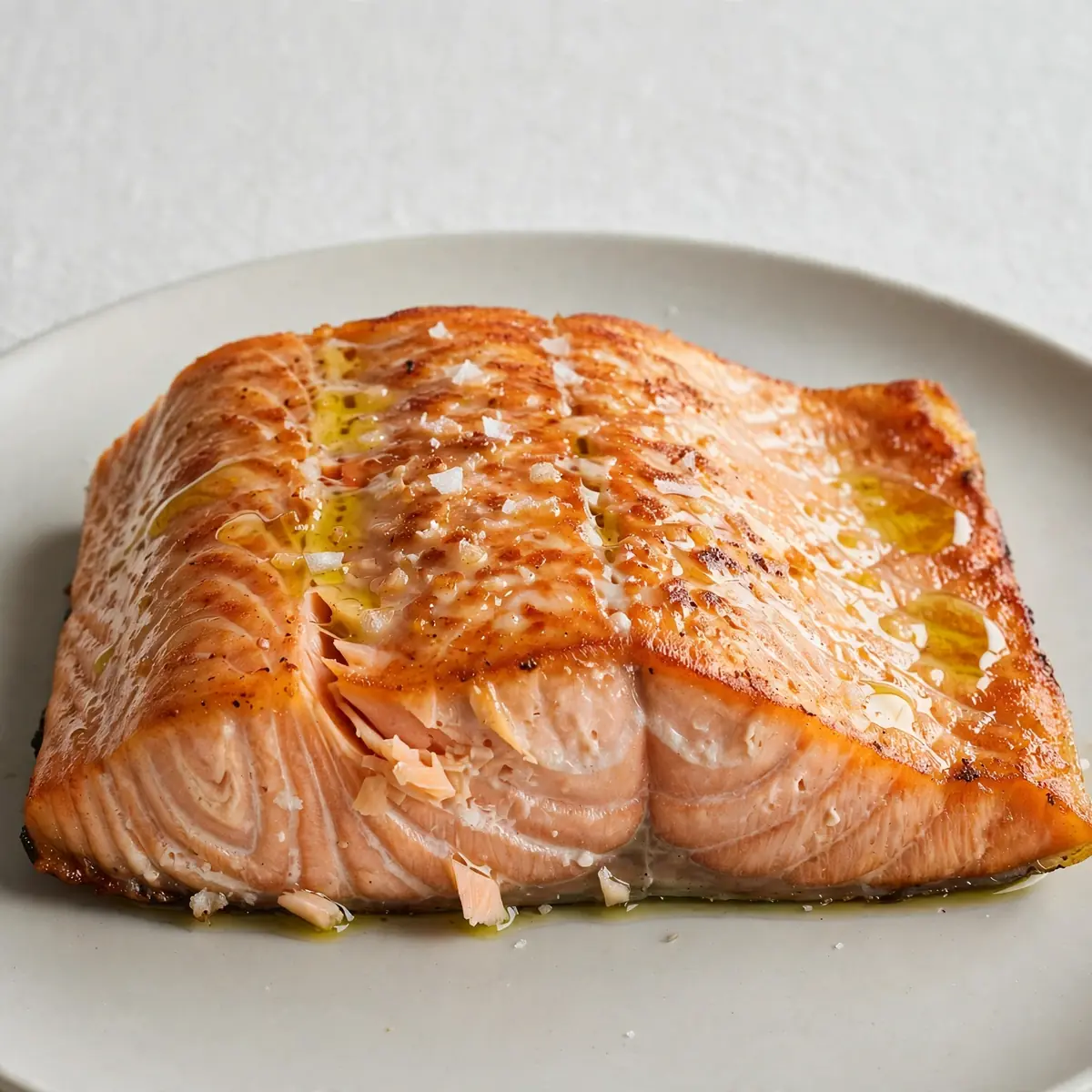
I remember the week I decided to crack the code on eating well without draining my wallet. After a particularly grim month of instant noodles and regret, I realised a gorgeous, restaurant-quality meal could be prepped for a fraction of the cost. That’s when this pan-seared salmon fillet with olive oil and sea salt became my secret weapon. It’s not just a dish; it’s a strategy for eating like a king on a pauper’s budget.
Recipe Overview
- Prep Time: 5 minutes
- Cook Time: 8 minutes
- Total Time: 13 minutes
- Servings: 4 (easily doubled for batch cooking)
- Difficulty: Easy
Why You’ll Love This Pan-Seared Salmon Fillet with Olive Oil and Sea Salt
- Unbelievably budget-friendly: By buying salmon in bulk when it’s on offer, the cost per serving drops to around £2.50 – less than a sad sandwich from the shop.
- Perfect for meal prep: Cook a batch on Sunday, and you have ready protein for salads, grain bowls, or quick dinners all week. Friends always ask me for this recipe after trying it at dinner parties, shocked that it’s a leftover.
- Minimal ingredients, maximum flavour: You only need three core ingredients – salmon, olive oil, and sea salt – plus a few pantry staples. No long list of fancy bits required.
- Foolproof technique: With the right heat and a non-stick pan, you get a crispy, golden crust every single time. My husband, who’s usually picky, asked for seconds the first time I made this!
- Incredibly versatile: The plain, perfectly cooked fillet is a blank canvas. You can dress it up with a quick salsa, flake it into pasta, or simply serve it with steamed veg.
Ingredients You’ll Need
- 4 salmon fillets (about 150g each), skin on
- 3 tablespoons extra virgin olive oil
- 1½ teaspoons flaky sea salt
- ½ teaspoon freshly ground black pepper
- 1 lemon, cut into wedges for serving
- Fresh dill or parsley (optional, for garnish)
Tip: For the best value, look for frozen salmon fillets. They are often cheaper and flash-frozen at peak freshness, making them a fantastic option for batch cooking. Thaw them overnight in the fridge before using.
How to Make Pan-Seared Salmon Fillet with Olive Oil and Sea Salt
- Prep the salmon: Pat the fillets dry with kitchen paper. This is crucial – any moisture will steam the fish instead of searing it. You want the surface to feel dry and slightly tacky to the touch. Season generously on both sides with the sea salt and black pepper.
- Heat the pan: Place a large frying pan (non-stick is best) over medium-high heat. Add the olive oil and let it warm until it shimmers. You’ll know it’s ready when you see faint wispy lines of smoke rising from the oil – that’s the sound and sight of a hot pan.
- Lay the fillets skin-side down: Gently place the fillets into the pan, skin-side down, laying them away from you to avoid any oil splatter. Listen for that immediate, satisfying sizzle. If the sizzle is loud and steady, you’re golden. If it’s weak, your pan isn’t hot enough.
- Sear without moving: Cook the salmon undisturbed for 4 to 5 minutes. The skin will turn a deep, golden brown and become wonderfully crisp. You’ll see the colour change creeping up the sides of the fillet, from translucent pink to opaque.
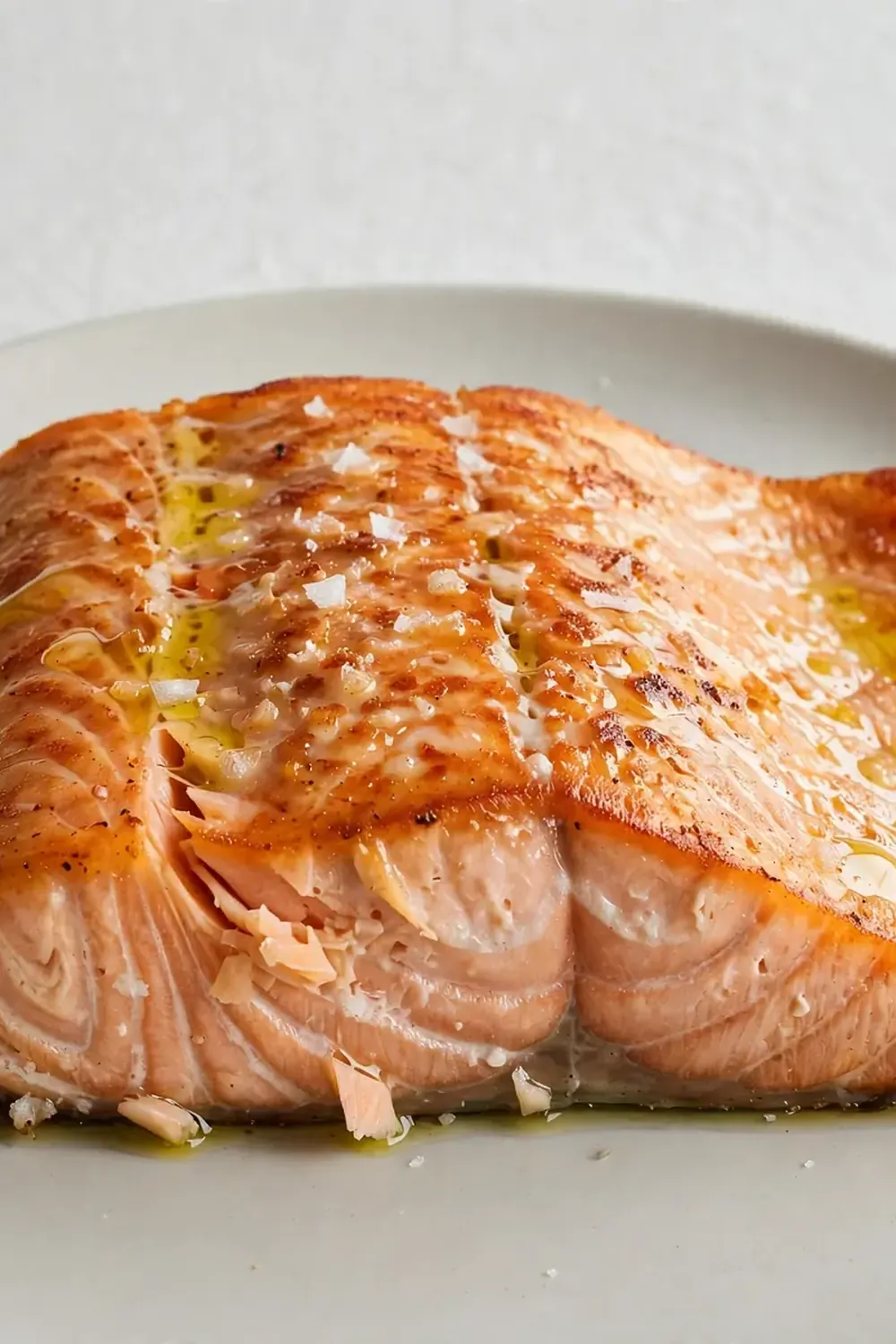
- Flip and finish: Using a thin, flexible spatula, carefully flip each fillet. The skin should release easily; if it sticks, give it another 30 seconds. Cook for a further 2 to 3 minutes on the flesh side. The fish will feel firm to the touch, and the centre will be a delicate, opaque pink when gently prodded.
- Rest before serving: Transfer the cooked fillets to a plate and let them rest for 2 minutes. This allows the juices to redistribute, ensuring every bite is moist. The residual heat will gently finish the cooking process.
Equipment You’ll Need
- Large frying pan or skillet (non-stick recommended)
- Sharp knife and cutting board
- Kitchen paper (for drying the fish)
- Thin, flexible spatula
- Mixing bowls (if making a side or sauce)
- Wooden spoon or spatula
Common Mistakes to Avoid
- Overcrowding the pan: If you cram too many fillets in, the pan temperature drops. The fish will steam rather than sear, resulting in pale, soggy skin. Always leave at least 2cm of space between each fillet. Cook in batches if needed.
- Wrong temperature: Cooking over a medium-low heat will never give you that coveted crispy crust. Your pan must be hot enough to make the oil shimmer. Conversely, a screaming hot pan will burn the outside before the inside is cooked. Medium-high is the sweet spot.
- Skipping the rest time: Cutting into the salmon immediately after cooking forces all the delicious juices out onto the plate, leaving you with dry fish. That short, two-minute rest lets the muscle fibres relax and reabsorb the moisture.
Delicious Variations to Try
- Spicy Version: Before searing, rub the fillets with a pinch of cayenne pepper, smoked paprika, and a little brown sugar. The sweetness balances the heat beautifully.
- Vegetarian/Vegan Option: Use thick slices of firm tofu or a large portobello mushroom cap. Press the tofu well, season with salt, and sear in the same way for a wonderfully crispy crust.
- Different Protein: This technique works brilliantly with chicken thighs or thick white fish like cod. Adjust the cooking time: chicken thighs need about 6-7 minutes per side, while cod is done in about 3-4 minutes per side.
Tips From My Kitchen
- Dry the skin thoroughly: This is the single most important step for crispy skin. After patting the fillets dry, leave them uncovered in the fridge for 10 minutes. The cool air helps dry the surface even more, ensuring that perfect crackling crust.
- Use a heavy pan: A heavy-bottomed pan, like stainless steel or cast iron, holds heat far better than a thin one. It prevents the temperature from dropping too much when you add the cold fish, guaranteeing a consistent sear.
- Season just before cooking: Salt draws out moisture. If you season the salmon too early, it will exude liquid, making it hard to get a good sear. Always season right before the fillet hits the pan.
- Don’t be afraid of the smoke: A little bit of smoke is a good sign – it means your pan is hot enough. Just ensure your kitchen is well-ventilated. The smell of searing salmon is a promise of a great meal.
- Scale up for meal prep: When batch cooking, I often cook 6-8 fillets at once. Let them cool completely, then store them in an airtight container. Reheat them gently in a low oven (160°C) for 10 minutes to bring back the crispiness without drying them out.
What to Serve With Pan-Seared Salmon Fillet with Olive Oil and Sea Salt
- A simple side of roasted asparagus or green beans, drizzled with lemon juice.
- Fluffy quinoa or couscous, tossed with chopped cucumber and mint for a fresh, herby note.
- A crisp mixed green salad with a light vinaigrette.
- For a hearty meal, try it with our Budget Friendly Creamy Pesto Chicken With Roasted Cauliflower – just swap the chicken for your prepped salmon.
- Leftover salmon is fantastic flaked into a salad, just like in our Smart Prep Quick Tuna Salad Loaded Avocado Halves.
Still hungry for ideas? You might also love Airline Chicken Recipe Pan Seared, Perfectly Pan Seared Mahi Mahi Fillets from our sister kitchens.
Frequently Asked Questions
Pan-Seared Salmon Fillet with Olive Oil and Sea Salt
Ingredients
Method
- Prep the salmon: Pat the fillets dry with kitchen paper. This is crucial – any moisture will steam the fish instead of searing it. You want the surface to feel dry and slightly tacky to the touch. Season generously on both sides with the sea salt and black pepper.
- Heat the pan: Place a large frying pan (non-stick is best) over medium-high heat. Add the olive oil and let it warm until it shimmers. You’ll know it’s ready when you see faint wispy lines of smoke rising from the oil – that’s the sound and sight of a hot pan.
- Lay the fillets skin-side down: Gently place the fillets into the pan, skin-side down, laying them away from you to avoid any oil splatter. Listen for that immediate, satisfying sizzle. If the sizzle is loud and steady, you’re golden. If it’s weak, your pan isn’t hot enough.
- Sear without moving: Cook the salmon undisturbed for 4 to 5 minutes. The skin will turn a deep, golden brown and become wonderfully crisp. You’ll see the colour change creeping up the sides of the fillet, from translucent pink to opaque.
- Flip and finish: Using a thin, flexible spatula, carefully flip each fillet. The skin should release easily; if it sticks, give it another 30 seconds. Cook for a further 2 to 3 minutes on the flesh side. The fish will feel firm to the touch, and the centre will be a delicate, opaque pink when gently prodded.
- Rest before serving: Transfer the cooked fillets to a plate and let them rest for 2 minutes. This allows the juices to redistribute, ensuring every bite is moist. The residual heat will gently finish the cooking process.
Notes
This pan-seared salmon fillet with olive oil and sea salt has genuinely changed the way I approach weekly cooking. It proves that with a little know-how, you can have a luxurious, healthy meal ready in minutes without breaking the bank. I’d love to hear how you get on – do you have a favourite way to serve it, or a clever meal-prep tip of your own? Drop a comment below and let’s chat!